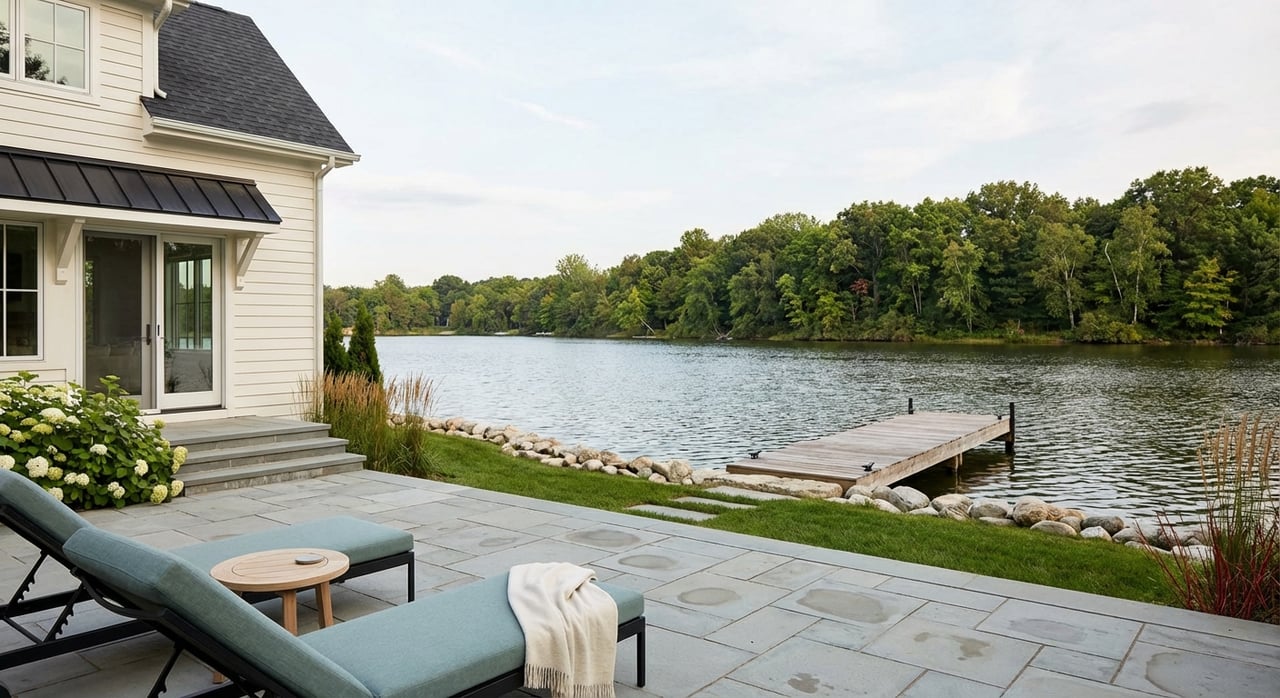
Imagine morning coffee with glistening water just outside your window. Buying near Lake Monona can deliver that calm, connected lifestyle, but lakeshore homes come with rules, flood maps, and upkeep that many buyers do not expect. In this guide, you will learn the essentials for Monona: market patterns, shoreline regulations, flood insurance, realistic maintenance costs, and a step‑by‑step due‑diligence checklist. Let’s dive in.
Lake Monona offers close access to boating, paddling, and scenic shoreline walks, all within minutes of Madison’s core. The lake features roughly 13 miles of shoreline, and local partners track nearshore conditions and seasonal algae events so residents can plan their time on the water. You can review current trends and lakewide context in the Clean Lakes Alliance’s State of the Lakes reporting for the Yahara chain. Their overview explains water‑quality drivers and the role of community stewardship across seasons. Visit the Clean Lakes Alliance’s State of the Lakes to learn more.
Public portals show Monona’s typical resale prices in the mid‑$400k range. For example, Realtor.com’s late‑2025 snapshot reported a median around the mid‑$400s for the city overall. Keep in mind that true shoreline or direct waterfront listings are a small share of the market and often carry a premium that depends on frontage, views, and the condition of docks or seawalls. Inventory can sit at single‑digit counts at times, so you should be prepared to act quickly when the right fit hits the market. See the latest city overview on Realtor.com’s Monona page and pair it with current MLS data when you are ready to write an offer.
Monona’s Floodplain & Shoreland‑Wetland Zoning (Chapter 466) adopts FEMA flood maps and establishes local requirements for lake‑adjacent parcels. The ordinance is clear that using a boathouse for human habitation is prohibited, and it details permit and variance procedures for work in flood zones. You can review the official language in Chapter 466 (City ordinance PDF).
Enforcement is active. A recent appellate case, Dwyer v. City of Monona, underscores that city shoreline rules are not suggestions. Treat plans that add bathrooms, plumbing, or living space to a boathouse as a red flag that needs careful review.
Monona also publishes Lake Monona’s ordinary high‑water mark (OHWM) and offers flood mapping tools. The City lists an OHWM of 845.82 ft. Projects at or below that elevation often trigger state and local review. Start with the City’s guidance and map links on Floodplain & Shoreline Regulations.
If your project touches the lakebed or sits below the OHWM, expect Wisconsin DNR involvement. Many activities in or near the water, including riprap, seawall work, dredging, and certain dock configurations, require Chapter 30 permits in addition to City approvals. Explore statewide shoreland and waterway guidance through the Wisconsin DNR’s Lower Rock Basin page for context and links to permitting resources.
Monona administers FEMA Flood Insurance Rate Maps (FIRMs). If a structure is in a Special Flood Hazard Area (zones A or AE), a federally regulated lender will typically require flood insurance. Even outside high‑risk zones, coverage is strongly recommended because floods can occur beyond mapped boundaries. For consumer guidance on coverage types, premiums, and eligibility, visit FloodSmart, FEMA’s official resource. You can also look to Chapter 466 for the City’s adopted panels, procedures for map changes, and permit paths.
Flood risk on a lake behaves differently than street or yard flooding from a heavy storm. Dane County manages target water levels for the Yahara chain and publishes planning elevations. This guidance helps you understand how dam operations and storm patterns shape seasonal lake levels. Review current targets and planning elevations on the Dane County Land & Water Resources lake‑levels page.
In your due diligence, confirm three items: the parcel’s mapped FEMA zone, the relevant base flood elevation (BFE), and the home’s first‑floor elevation. If the first floor is at or below the BFE, you should expect tighter construction rules and higher insurance costs. For shoreline improvements, also note where the OHWM falls on the lot, because work at or below 845.82 ft often requires additional permits.
Most lakeshore owners will plan for periodic shoreline stabilization and dock work. National cost guides are only starting points, but they help set expectations while you collect local quotes.
Seasonal realities matter. Winter ice, wave and wake action, and high‑water periods can damage docks and walls. Maintenance needs will change with evolving seasonal patterns and water clarity. Local reporting notes year‑to‑year variation in clarity and algae, and the presence of invasive species like zebra mussels can influence shoreline conditions. For lakewide context and recent monitoring, check the Clean Lakes Alliance’s State of the Lakes.
Use this checklist before you write an offer or during your inspection period. Your goal is to understand risk, confirm rights, and price the property accurately.
Buying near Lake Monona should feel exciting, not uncertain. With a clear plan for rules, risk, and real costs, you can enjoy the views and the water with confidence. If you want a local, white‑glove partner to guide you through permits, inspections, and pricing strategy, reach out to Lessing Real Estate. We are here to help you buy well.

7633 Ganser Way Suite 101 Madison, WI 53719
7633 Ganser Way Suite 101 Madison, WI 53719