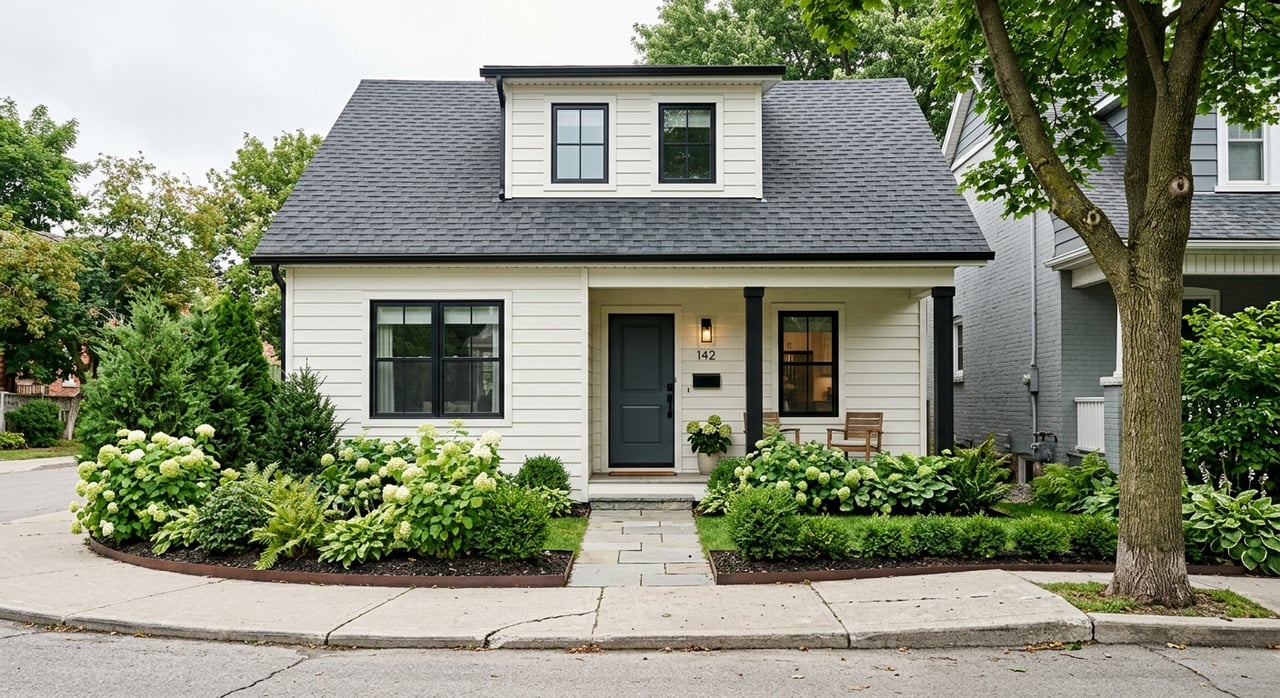
If you are torn between Madison and the surrounding suburbs, you are not alone. A move in Dane County often comes down to a few big lifestyle questions: Do you want more housing options and a car-light routine, or do you want more yard space and a more traditional suburban pattern? This guide will help you compare Madison, Middleton, Verona, Fitchburg, and Waunakee so you can match your next move to how you actually want to live. Let’s dive in.
The biggest difference is not simply city versus suburb. It is really about daily lifestyle, housing type, and mobility.
Madison is the most urban option in this group. The city has added a large share of multifamily housing in recent years, and its planning documents support a wider mix of housing types, sizes, and costs. Transportation planning also puts more emphasis on biking, walking, transit, and mixed-use areas.
The suburbs still lean more toward detached homes and driving, but they are not all the same. Middleton and Verona offer a more mixed housing pattern than many buyers expect, Fitchburg has expanded options for smaller lots and multifamily housing, and Waunakee remains the most centered on single-family homes and larger lots.
If you want more apartment, condo, and multifamily choices, Madison stands out. Census data shows 56% of occupied homes are renter-occupied, 56% of structures are multi-unit, and from 2015 through 2024, only 15% of completed homes were single-family. One-third of completed homes during that period were in buildings with 100 or more units.
That housing profile shapes the feel of daily life. You are more likely to find denser housing patterns, more mixed-use areas, and more alternatives to a traditional detached-home setup. Madison’s comprehensive planning also supports a broader mix of housing types and sizes across the city.
Madison is also the strongest fit if you want to rely less on a car. About 68% of commuters drive alone, while 4% use public transit, 2% bike, 4% walk, and 16% work from home. The city’s average commute is 20.7 minutes, and local plans continue to focus on closing bike network gaps and creating low-stress bikeways.
Middleton can feel suburban while still offering a varied housing mix. Census data shows 56% of structures are multi-unit, and the city’s comprehensive plan supports neighborhoods with detached homes, attached homes, and multifamily housing.
For buyers comparing lot sizes, Middleton has made room for smaller-lot housing than its older zoning pattern allowed. Its 2025 Housing Affordability Report notes that the zoning code allows 5,000-square-foot lots in one single-family district and 3,000-square-foot lots in another, down from a former 7,200-square-foot minimum in the densest older single-family district.
That means Middleton may appeal to you if you want a suburb with a strong amenity base but a somewhat more compact feel. It can be a good middle ground if you are not looking for Madison’s urban pattern, but you also do not want the most traditional large-lot setup.
Verona remains more single-family oriented than Madison or Middleton, but it has a meaningful mix of housing types. Its housing analysis shows 54% single-unit detached homes, 16% attached or townhome units, and 30% housing in buildings with three or more units.
The city’s residential development policy targets roughly 70% to 75% single-family housing and 25% to 30% multifamily. Lot patterns also vary depending on the area. The North Neighborhood Plan describes suburban lots that can range from about 6,000 square feet near commercial or civic uses to 8,000 to 10,000 square feet in other suburban areas, with 12,000 to 15,000 square-foot wooded lots in more natural settings.
For many buyers, Verona offers a familiar suburban rhythm with a growing mix of townhomes and multifamily options. If you want a suburban setting but still value newer housing variety, Verona may deserve a close look.
Among the suburbs in this comparison, Fitchburg offers the broadest range of housing forms. Its housing plan supports a mix of housing types and affordability levels, and its updated zoning allows smaller single-family and duplex lots than in the past.
The city’s housing study says minimum lots in medium-density zoning can drop from 7,200 square feet to as low as 3,000 square feet for alley-loaded single-family homes. Fitchburg also points to accessory dwelling units, cottage homes, courtyard apartments, duplexes, and multifamily buildings as part of its newer housing mix.
That flexibility matters if you want choices. Fitchburg can work well if you are comparing detached homes, duplex-style options, newer multifamily communities, or smaller-lot properties without giving up a suburban location.
If your top priority is a classic single-family pattern with larger lots, Waunakee stands apart. Census data shows 75% of housing units are single-unit homes and 77% are owner-occupied.
Its housing affordability report lists a 9,500-square-foot minimum lot size in the R1 district. An earlier zoning analysis found average single-family lots around 0.29 acres, with a median of 0.27 acres. Waunakee is also in the process of updating its comprehensive plan toward 2040, so some long-term policies are still part of an active planning discussion.
In practical terms, Waunakee is the clearest fit if you want the most traditional village feel in this group. Buyers who picture a detached home on a larger lot will often find Waunakee aligns most closely with that goal.
A helpful directional data point is median owner-occupied home value. Based on ACS 2024 data, the figures are about $418,000 in Madison, $417,000 in Fitchburg, $420,000 in Verona, $484,000 in Middleton, and $516,000 in Waunakee.
This is not the same thing as current list prices or what a specific home will sell for. Still, it does suggest that Middleton and Waunakee generally skew toward higher-value housing stock among these five communities.
When we help buyers compare these areas, we always recommend looking beyond a headline number. Price matters, but so do lot size, housing type, commute style, and how you want your day-to-day life to feel.
Madison has the strongest non-car commuting profile in this group. If you want more options for walking, biking, transit, or living near mixed-use areas, it is the clearest fit.
The suburbs still lean heavily toward driving, though commute times remain fairly close. Middleton has a mean commute of 19.3 minutes with 69% driving alone. Verona is at 17.9 minutes with 73% driving alone, Fitchburg is at 18.9 minutes with 70% driving alone, and Waunakee is at 17.9 minutes with 65% driving alone.
Transit use is lower in the suburbs, and Waunakee’s public transit option is more limited, with a local bus operating Monday through Friday. So if your priority is easier driving patterns and a more car-based routine, the suburbs will usually feel more natural.
Madison has the largest park system by scale. The city has more than 280 parks totaling more than 5,700 acres, along with nearly 6,000 acres of public land under park-management responsibility.
The suburbs also offer strong access to green space, with different strengths. Middleton lists six community parks, six neighborhood parks, and eight mini parks, including a splash pad and dog exercise park. Verona reports 25 parks and four conservancy or special-use areas covering more than 160 acres.
Fitchburg stands out for open space and trail access. The city reports about 818 acres of parkland, open spaces, and recreation trails across at least 95 areas, plus a large trail network and four major commuter routes. Waunakee also emphasizes parks, conservancies, and trail-linked open spaces throughout the village.
If you want the densest mix of retail, restaurants, and civic amenities nearby, Madison is strongest. If you want neighborhood green space, trails, and a more yard-oriented setting, all four suburbs offer that, with Fitchburg, Middleton, and Verona standing out for trail and conservancy connections.
A simple way to think about this choice is to start with your routine, not the map. Ask yourself whether you want to optimize for walkability and housing choice or for yard space and a more traditional suburban lot pattern.
Here is a practical summary:
Choosing between Madison and its suburbs is not about finding one place that is objectively better. It is about finding the place that fits your lifestyle, housing goals, and long-term plans.
At Lessing Real Estate, we help buyers and sellers compare these tradeoffs every day across Madison, Middleton, Verona, Fitchburg, Waunakee, and the surrounding Dane County market. If you are weighing your next move and want clear, local guidance tailored to your goals, connect with Lessing Real Estate.
7633 Ganser Way Suite 101 Madison, WI 53719
7633 Ganser Way Suite 101 Madison, WI 53719