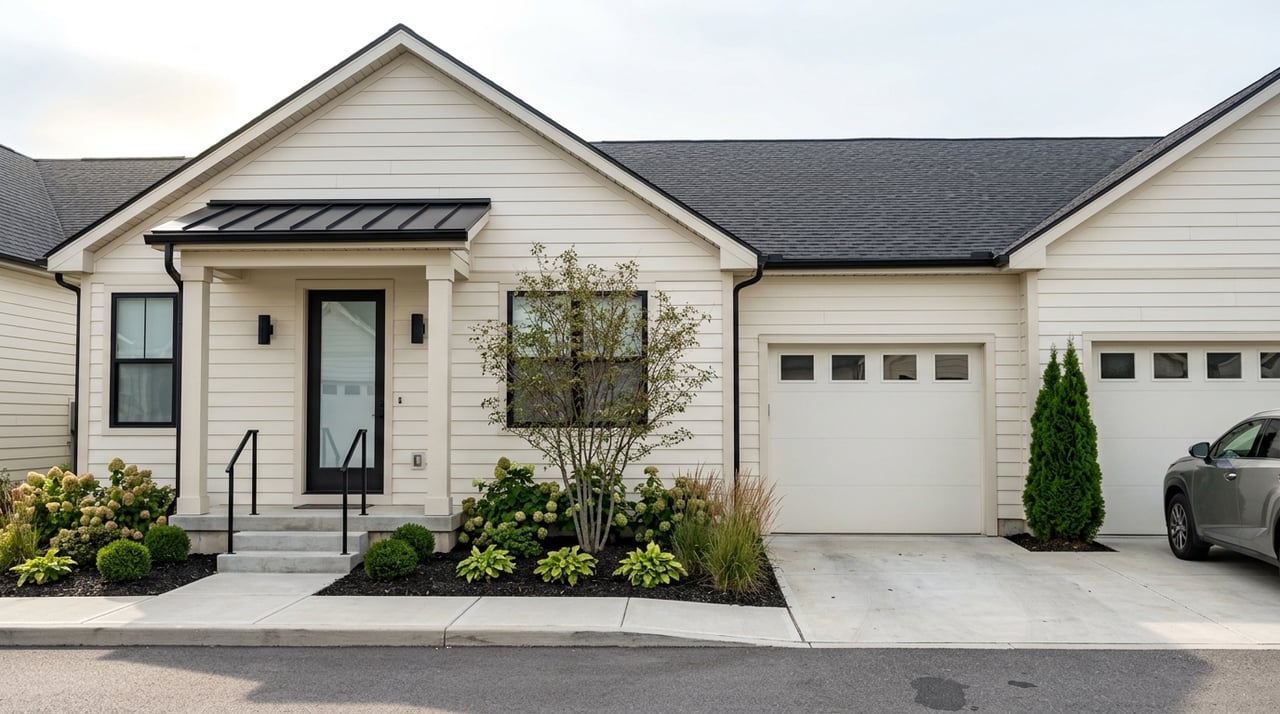
Wondering whether a condo or townhome in Fitchburg could fit your next move? You are not alone. Many buyers today want a home that feels manageable, flexible, and close to everyday amenities, and Fitchburg’s housing plans show growing demand for low-maintenance, downsizing-friendly, and attached living options. If you are weighing convenience, budget, and lifestyle, this guide will help you understand where condo and townhome living fits in Fitchburg and what to look for before you buy. Let’s dive in.
Fitchburg is actively planning for a wider range of housing choices. The city’s 2026 Housing Plan and housing study show demand for condos, townhomes, starter homes, downsizing options, senior-friendly housing, and low-maintenance or managed-community living. That tells you attached housing is not a side note here. It is part of the city’s long-term vision.
The city has also recognized a practical challenge in its housing supply. Because Fitchburg has a relatively young housing stock, there are fewer older homes naturally filtering into lower price points. In simple terms, that means newer housing types, including condos and townhomes, may play a bigger role in serving different budgets and household needs.
Attached homes can also use land more efficiently. Fitchburg’s 2019 housing plan notes that attached units use less land per home and have fewer exterior walls, which can support affordability. For buyers, that can translate into an option that balances ownership with a smaller footprint and often less outdoor upkeep.
Condo and townhome living in Fitchburg is not limited to one style or one stage of life. The city’s housing studies point to demand from first-time buyers, downsizers, and households looking for accessible or lower-maintenance homes. That makes the local attached-home market broader than many people expect.
Historically, attached housing has already played a meaningful role in Fitchburg’s mix. The city’s 2019 housing plan reported that 24% of homes were in attached or small multifamily forms, including 9% townhomes, 3% duplexes, 4% three-to-four-unit buildings, and 8% five-to-nine-unit buildings. That means attached housing is already part of the city’s established pattern, not a brand-new idea.
Fitchburg’s zoning updates also reinforce that direction. In 2025, the city updated its framework to allow smaller single-family and duplex lots and introduced a new district that includes cottage homes, courtyard apartments, duplexes, and other attached forms. For buyers, that is a useful signal that condo and townhome options are likely to remain an important part of future housing growth.
If you are searching for attached housing in Fitchburg, location patterns matter. The city has identified the north Fish Hatchery Road corridor, north of McKee Road, as one of the oldest and most built-out attached-housing areas. In the city’s 2014 inventory, that corridor was 91% rental apartments and 9% condominiums.
Because much of that corridor is already built out, Fitchburg’s housing plan suggests that future owner-occupied additions there are likely to be condominiums. That makes the area notable if you are looking at established attached housing patterns rather than newer planned communities.
The city’s broader housing assessment also points to areas where attached ownership tends to sit within the larger housing mix. Dunn’s Marsh, Jamestown, and Fish Hatchery had high shares of larger multifamily structures, while Glacial Center, Highlands Hills, Northeast, and Oak Wood had relatively high shares of one-unit structures, including single-family homes and condos. That does not define every block, but it helps you understand the city’s general housing geography.
Some of Fitchburg’s newer attached housing appears in planned, mixed-housing districts rather than scattered through older neighborhoods. The city identifies places like Hatchery Hill, Nine Springs, Stoner Prairie, and Terravessa as examples of more recent mixed-housing development. SmartCode development information also lists Nine Springs, Uptown Crossing, North Park, and Terravessa.
Terravessa is a strong example of this trend. Fitchburg’s 2021 annual report says approvals there included single-family and townhome lots, senior housing, and the first mixed-use buildings. The same report notes that The Limerick added 26 townhomes, while the Uptown area had new apartment construction underway.
For you as a buyer, this matters because newer townhome and condo options in Fitchburg may be more closely tied to planned growth areas with a mix of housing, streetscape design, and access to services. If you want a newer attached home, these districts may deserve a closer look.
One of the biggest reasons buyers consider condos and townhomes is upkeep. Fitchburg’s 2026 housing study found strong demand for low-maintenance or managed-community housing, along with smaller homes, downsizing options, and senior-friendly or accessible living. Interviewees also specifically noted demand for zero-entry single-story condos and 55 plus options.
That makes condo and townhome living especially relevant if you want to spend less time on exterior work. Depending on the community, shared maintenance may cover items like landscaping and common-area care. For some buyers, that creates a more predictable routine than managing a detached home and yard on their own.
This can also appeal across life stages. A first-time buyer may like the simpler upkeep. A downsizer may want fewer home maintenance tasks. A busy professional may value having more free time while still building ownership.
A smaller private yard does not always mean less access to outdoor space. Fitchburg has about 818 acres of parkland, open space, and recreation trails across at least 95 areas, according to the city’s parks and recreation information. The city also includes access to the County E-Way System, the UW Arboretum, DNR lands, and federal lands.
For condo and townhome buyers, that is an important lifestyle point. You may give up some private outdoor space, but you may gain easier access to public green space, walking paths, and recreation areas. In the right location, that tradeoff can feel like a real upgrade.
Dawley Conservancy is one example worth knowing. This 42-acre city parkland area includes woodland on both sides of Seminole Highway and prairie adjacent to Dunn’s Marsh. The city’s management plan is designed to preserve canopy cover, support walking trails, and create educational and recreational opportunities.
If you value alternatives to driving, Fitchburg offers another advantage. BCycle reports more than 150 docks at more than 20 stations around Fitchburg, including locations such as Hatchery Hill Park, Terravessa, Swan Creek Park, McKee Farms Park, Dawley Bike Hub, and The Limerick. That gives many attached-home areas added mobility and recreation access.
The city’s SmartCode Bicycle Planning page also says the district was updated to include enhanced bicycle thoroughfares, parking, and bike facilities. The goal is to promote biking and walking. For buyers comparing neighborhoods, that can add convenience in ways that go beyond square footage alone.
Before you buy a condo or townhome, monthly costs deserve close attention. Condo and HOA dues are generally separate from your mortgage payment. Those dues can range from a few hundred dollars to more than $1,000 a month and often fund shared expenses such as landscaping and maintenance.
In condo settings, fees may also include master insurance for common areas. Nonpayment can lead to collection efforts and even foreclosure. The key takeaway is simple: you should budget for dues on top of principal, interest, taxes, insurance, and your own maintenance costs.
When you compare homes, do not look at the sale price alone. A lower-priced property with higher dues may affect your monthly budget differently than a higher-priced home with lower dues. A clear side-by-side review can help you judge the full cost of ownership.
Not every condo or townhome in Fitchburg will offer the same maintenance profile. Older attached and multifamily housing can offer less exterior responsibility than a detached home, but age still matters. The city’s Efficiency Navigator Program notes that many multifamily units were built before 1980 and may lack energy-efficient updates.
The program targets small-to-medium apartment buildings in priority areas including Jamestown, Belmar/Dunn’s Marsh, North Fish Hatchery Road, and Southdale. While that program is not aimed at every ownership scenario, it does suggest that some older attached housing in Fitchburg may need more updates over time.
That does not make older options a poor choice. It simply means you should look carefully at condition, systems, association planning, and overall upkeep. A newer townhome may offer different efficiencies and finishes, while an older condo may offer a different price point or location advantage.
Condo and townhome living in Fitchburg can make sense for several types of buyers. The city’s own survey and interview findings point to demand from buyers seeking smaller homes, lower-maintenance living, accessible layouts, and managed communities. That creates a wide audience for attached housing.
You may want to explore this option if you are:
The right fit depends on your goals, budget, and preferred lifestyle. That is why local guidance matters when you start narrowing down communities and comparing ownership costs.
When you tour condos and townhomes in Fitchburg, it helps to look beyond finishes and floor plans. The bigger picture often shapes your long-term satisfaction just as much as the home itself. A polished showing should always be paired with practical questions.
Focus on these basics:
A thoughtful search can help you avoid surprises and find the version of attached living that truly fits your routine.
If you are exploring condo or townhome living in Fitchburg, working with a team that understands both established neighborhoods and newer growth areas can make the process much easier. At Lessing Real Estate, we help you weigh location, lifestyle, and long-term value so you can move forward with confidence.
7633 Ganser Way Suite 101 Madison, WI 53719
7633 Ganser Way Suite 101 Madison, WI 53719