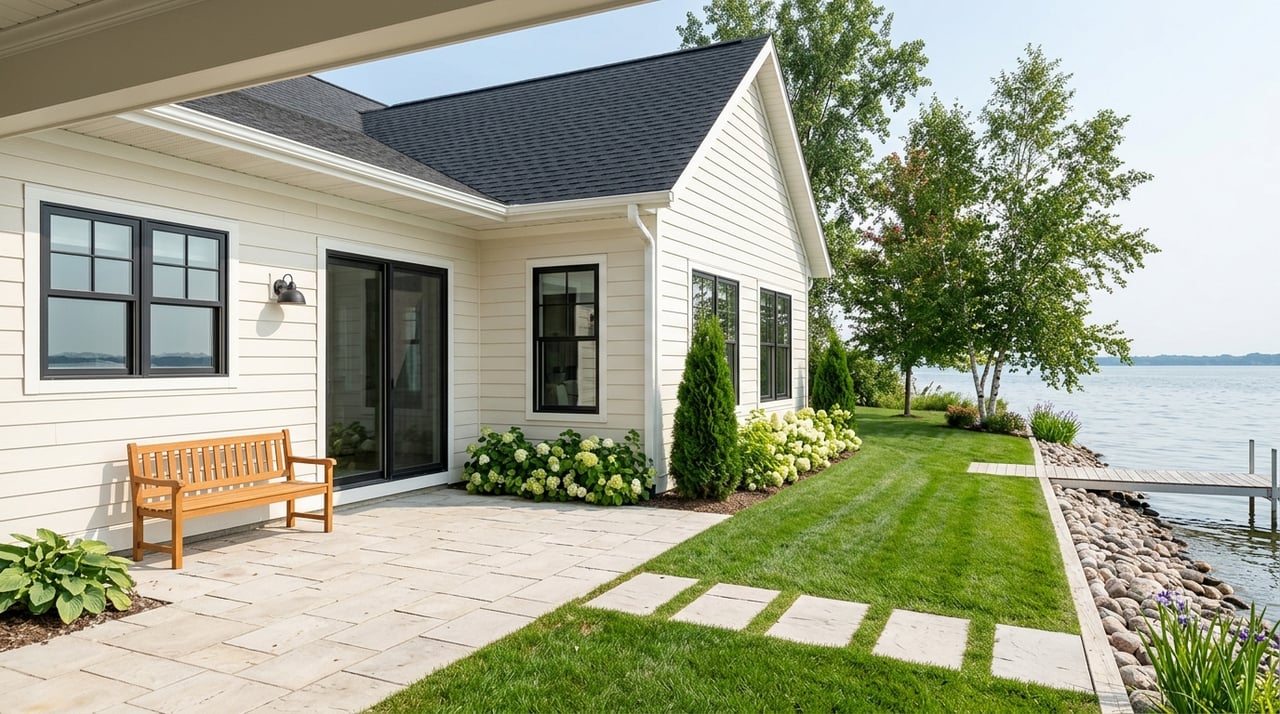
Dreaming of a home where the water feels like part of your daily routine, not just a weekend destination? In Monona, that lakeside feel comes from how the city is laid out, with shoreline parks, neighborhood access points, bike routes, and outdoor spaces woven into everyday life. If you are thinking about buying or selling in this part of Dane County, this guide will help you picture what living in Monona really looks like, from housing options to parks, boating, and year-round recreation. Let’s dive in.
Monona is a small city on the eastern and southern shores of Lake Monona with a 2024 population estimate of 8,616. It offers more than four miles of shoreline, over 330 acres of park space, and three public boat launch sites. That combination helps explain why the lake plays such a visible role in daily life.
What stands out about Monona is that its lakeside lifestyle is spread across the city rather than centered in one single waterfront district. Parks, launches, walking routes, and bike connections make it easy to experience the water in small, regular ways. For many residents, the lake becomes part of a normal Tuesday as much as a summer Saturday.
Monona also appeals to a wide range of buyers. Census data shows 19.1 percent of residents are under 18 and 21.9 percent are 65 or older. In practical terms, that points to a community that can work well for households looking for convenience, outdoor access, and a lower-key setting near Madison.
One of the best ways to understand Monona is to look at its park system. The city’s parks are not just nice extras. They help define how people spend time outdoors through the week and across the seasons.
Winnequah Park is Monona’s flagship park at 45 acres. It centers on a lagoon and includes shelters, restrooms, playgrounds, and access to nearby ball diamonds, soccer fields, and tennis courts.
The Dream Park area adds another layer of everyday use for people looking for play space and open green space. This is one of the clearest examples of how Monona blends neighborhood living with active outdoor amenities.
Schluter Park and Schluter Beach bring a different kind of lake experience. Here you will find a sand beach, floating accessible pier, gazebo, grills, picnic tables, playground, bathrooms, and parking.
The city notes that there is no lifeguard, which is a practical detail worth knowing if beach access matters in your home search. For buyers comparing areas near the lake, amenities like this can make a big difference in day-to-day use.
If getting on the water matters to you, Monona has multiple public launch options. Lottes Park, located on the Yahara River south of West Broadway, is one of the city’s three public boat launches and also includes a handicap-accessible fishing pier.
Lottes Park also offers seasonal kayak and canoe rack rentals from May 1 to October 31. Tonyawatha Park and Boat Launch is smaller, at under an acre, but it functions as another important boating and fishing access point with two ramps, temporary tie-ups, and winter ice-fishing use.
Not every outdoor day in Monona has to revolve around open shoreline. Woodland Park is the city’s only large forested park, and the city says it is used for walking and hiking in warmer months and snowshoeing in winter.
The Monona Wetland Conservancy is the city’s largest but least-known park. Long-range plans call for trail connections to the Capital City Trail and the regional bike system, adding even more ways to connect outdoor recreation with daily life.
One of the biggest misconceptions about lake communities is that they peak in warm weather and quiet down the rest of the year. Monona offers a more balanced picture.
The city specifically highlights winter activities such as lagoon skating, the Candlelit Snowshoe Hike and Bonfire, snowshoe rentals, and the Lake Ridge Bank River Rink. Several parks also support winter walking, snowshoeing, and ice-fishing.
That matters if you are trying to picture year-round livability instead of just summer fun. In Monona, the outdoor lifestyle continues even when temperatures drop, which gives the community a steadier rhythm through all four seasons.
Monona’s connection to the lake is also about movement. The city publishes both a Monona bike routes map and a Lake Monona loop map, and it has been identified as a Bronze-level Bicycle Friendly Community.
For buyers, this adds an important layer to the lifestyle picture. The value is not only in big recreation days. It is also in being able to bike, walk, and connect to parks and the shoreline in more ordinary moments.
Nearby Madison also broadens your options. Olin Park offers a beach, walking paths, biking, and a boat launch, while Turville Point adds Lake Monona shoreline access and 2.3 miles of trails used for hiking, cross-country skiing, and walking.
Monona’s housing stock does not read like a newer suburban subdivision. City planning materials describe it as primarily older, pre-1960 housing, and those homes are typically smaller than newer suburban construction.
That means buyers often find established single-family neighborhoods, modest mid-century homes, and older houses near the lake rather than blocks of brand-new construction. For some buyers, that is part of Monona’s appeal. The housing can feel more established, more varied, and more tied to the city’s history.
One standout example is the Frost Woods neighborhood. According to the city’s historic architecture materials, it contains the largest concentration of International Style houses in Wisconsin, and major living spaces in its landmark homes face Lake Monona.
Even if you are not shopping specifically for historic architecture, this detail says a lot about Monona as a whole. The city has neighborhoods with a distinct identity, and some homes were clearly designed to take advantage of the lake setting.
At the same time, Monona is adding newer and denser housing types. Since 2017, the city says it has added 241 multifamily units, with 518 more units approved and 218 under construction.
Recent and approved development includes market-rate apartments, mixed-use buildings, owner-occupied live-work units, and townhome buildings. Much of this newer infill is concentrating along Bridge Road, Broadway, and Monona Drive.
This matters because buyers are not limited to detached homes. Depending on your budget and goals, Monona may offer apartments, townhomes, and other ownership or near-lake living options in addition to traditional single-family properties.
Census QuickFacts shows an owner-occupied housing rate of 53.6 percent in Monona. The same data lists a median owner-occupied home value of $427,900 and a median gross rent of $1,275.
Those numbers suggest Monona is a mixed owner and renter market rather than a place defined by just one housing pattern. For buyers, that can mean a broader range of property types and price points. For sellers, it points to a market where lifestyle, location, and condition all play a meaningful role in how a home stands out.
If you are early in your home search, this may be the most useful distinction to keep in mind. In Monona, direct shoreline ownership and everyday lakeside living are not the same thing.
A home on the water offers one kind of experience, but a home a few blocks away may still feel strongly connected to the lake because of the park system, shoreline access points, trails, and launch sites. In other words, you do not always need waterfront ownership to enjoy a waterfront lifestyle.
That broader access is one of Monona’s strongest qualities. It gives buyers multiple ways to live near the lake based on their priorities, whether that means views, walkability to parks, bike access, or easy launch access.
Monona’s lifestyle benefits come with a few practical details that are worth knowing early.
A Lake Access Permit is required year-round for designated launch sites used by motorized and non-motorized boats, canoes, and kayaks in Monona, Madison, and Dane County Parks. Annual permits are valid through March 31 of the following year, and daily passes are also available.
If boating is part of your plan, this is one of those details that should be on your checklist from the start. It is simple, but it affects how you use local launch sites.
As you compare homes, think beyond square footage alone. In Monona, your day-to-day experience may be shaped just as much by your distance to a park, beach, bike route, or launch site as by the lot itself.
That is especially true in a market with older housing stock and a growing mix of infill options. The right fit often comes down to how you want to spend your time, not just what the home looks like on paper.
Monona offers something that can be hard to find: a lakeside setting that feels usable, lived-in, and practical. The shoreline, parks, winter programming, bike network, and mix of housing choices all work together to create a lifestyle that is active without feeling rushed.
For buyers, that means more than one path into lake-area living. For sellers, it means your home may be part of a larger lifestyle story that resonates with people who want access, character, and convenience near Madison.
If you are thinking about buying or selling in Monona, working with a local team that understands both the housing mix and the everyday appeal of the area can make all the difference. Connect with Lessing Real Estate for knowledgeable, high-touch guidance in Monona and throughout Dane County.
7633 Ganser Way Suite 101 Madison, WI 53719
7633 Ganser Way Suite 101 Madison, WI 53719